OVERVIEW
Brands are navigating two of the fastest-growing verticals in digital marketing - Retail Media Networks and Creator/Influencer platforms- were operating in complete silos. They were spending across both, but the organizational structures, measurement systems, and budget ownership hadn't caught up. The result was fragmented consumer experiences, conflicting attribution, and a persistent gap between brand and shopper marketing teams. This research set out to map that gap and build a framework to close it.
SITUATION
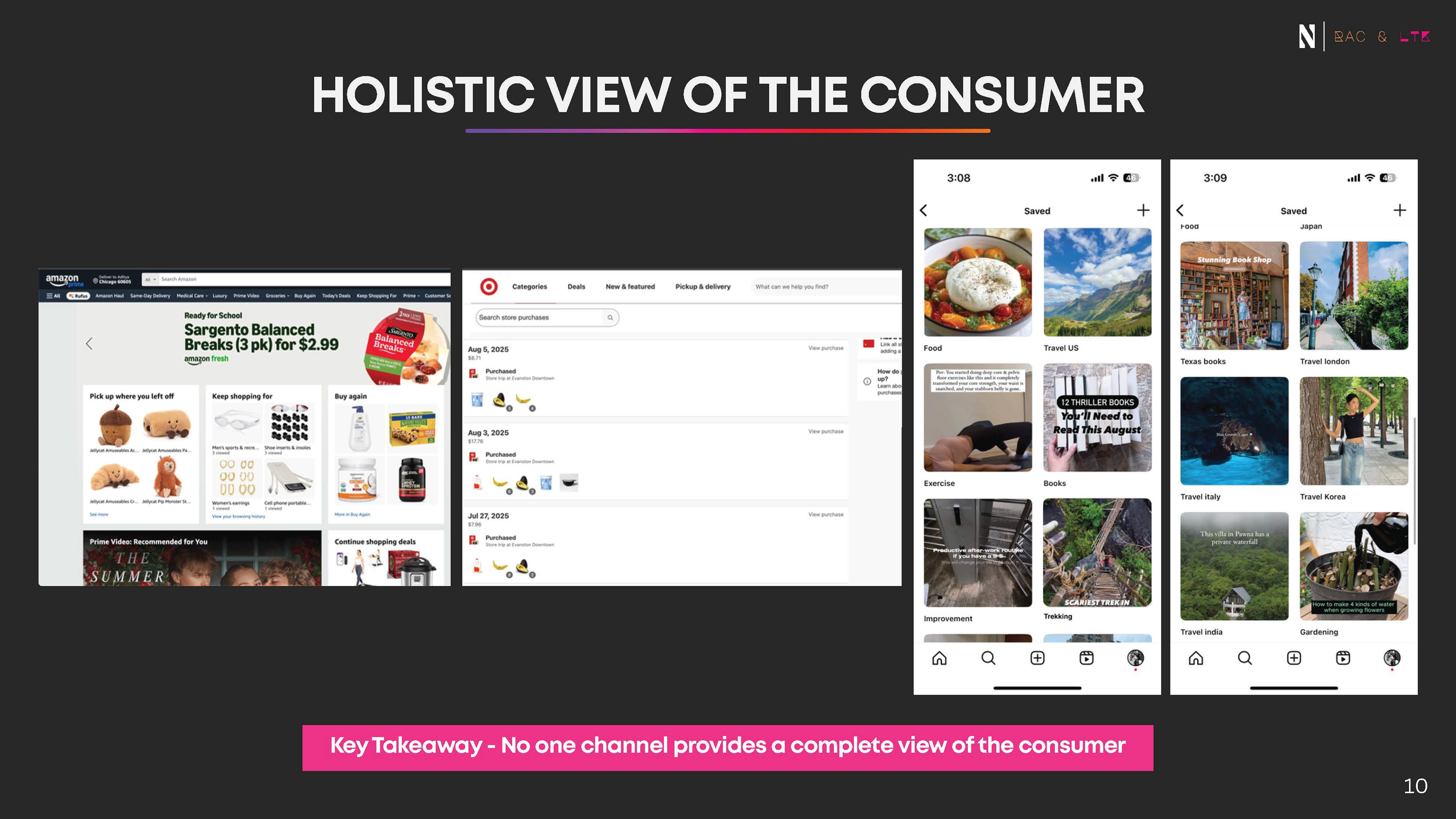
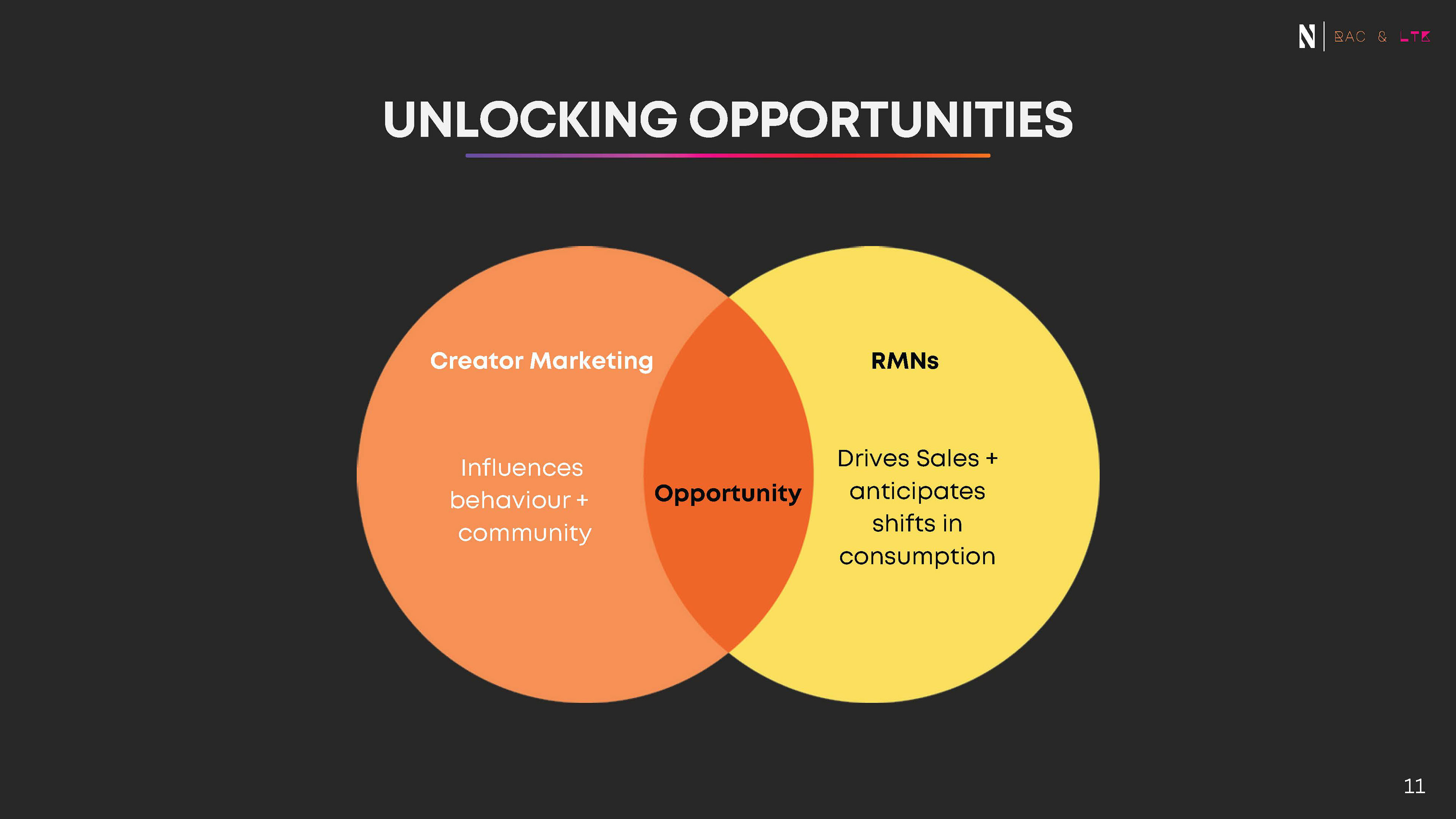
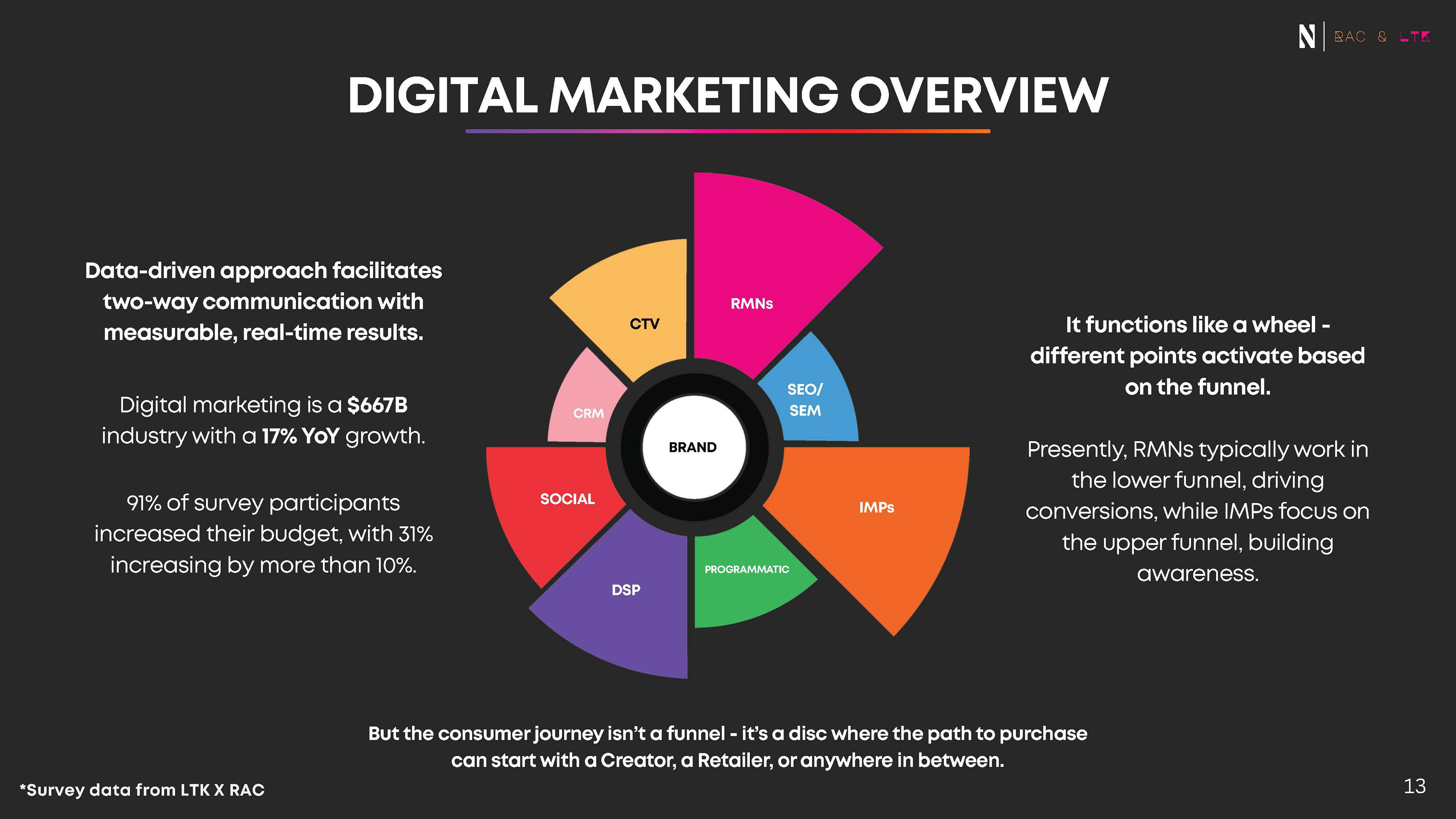
Retail Media Networks have become a major force in digital advertising, giving brands access to high-intent, first-party shopper data at the point of purchase. At the same time, creator marketing has matured into a measurable commerce channel, not just an awareness play. But in most organizations, RMN strategy sits with shopper or trade marketing, while creator strategy sits with brand or social teams. They share no budget, no KPIs, and often no conversation.
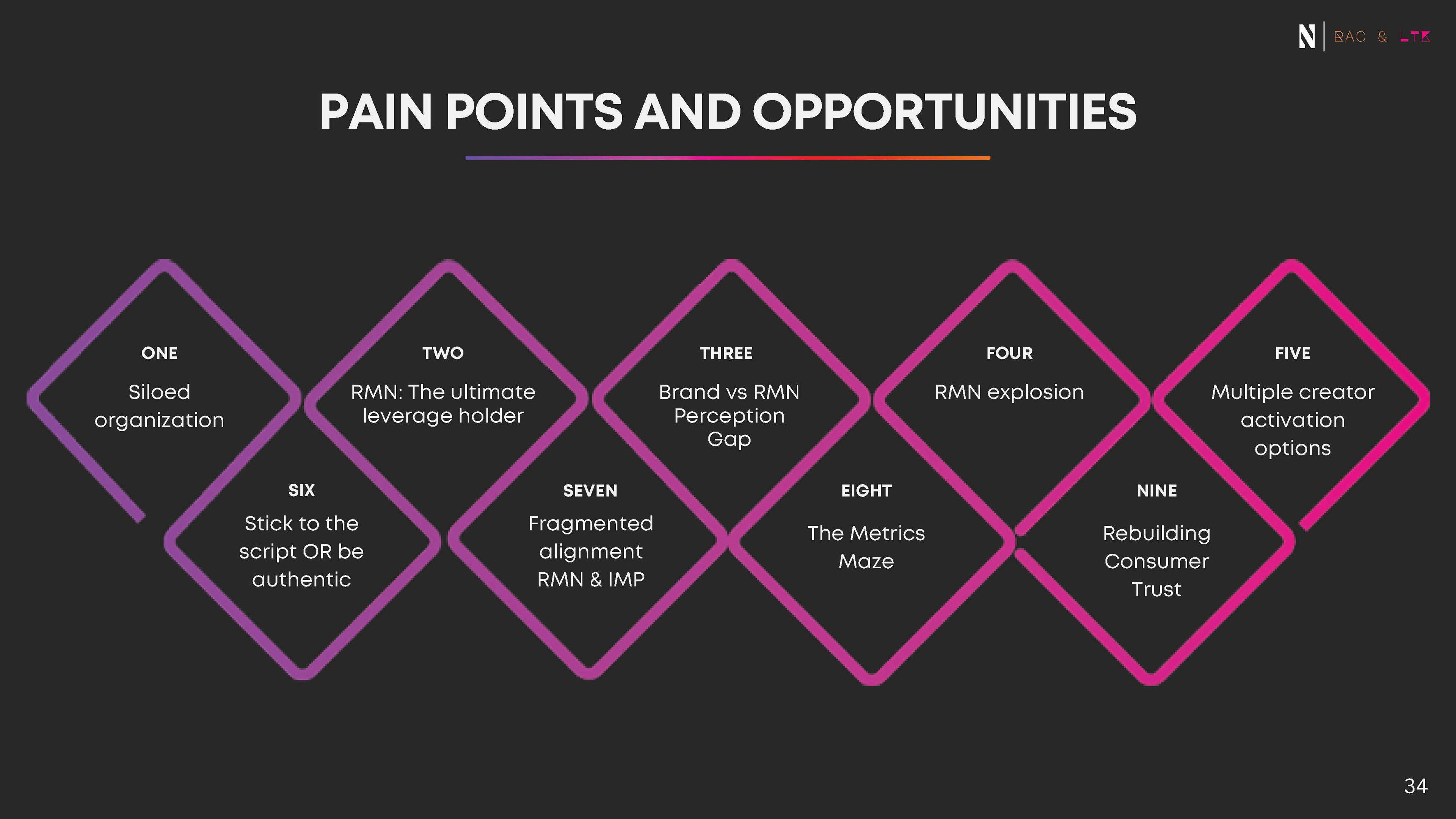
The consequence is what in the research, we called the Metrics Maze: brands couldn't tell which channel was driving incremental sales, couldn't agree on how to attribute creator-influenced purchases inside retail environments, and were defaulting to simply "boosting" creator content into RMN inventory as a workaround, rather than designing an integrated strategy from the start.
TASK
As lead researcher for a Northwestern Spiegel Research Center x LIKEtoKNOW.it partnership study, my team and I built the research methodology, led primary data collection, and developed both the strategic integration framework and the GTM strategy to show how brands can move beyond simply "boosting" creator content into RMN inventory, toward genuine omnichannel integration.
ACTION
Research: Led and co-conducted 22 in-depth interviews with senior marketing leaders at Kraft Heinz, Hyatt, and United Airlines, paired with a quantitative survey of 204 marketing professionals, to map how organizations are currently managing, or failing to manage, the intersection of RMN and creator strategies.
Brands are navigating two of the fastest-growing verticals in digital marketing - Retail Media Networks and Creator/Influencer platforms- were operating in complete silos. They were spending across both, but the organizational structures, measurement systems, and budget ownership hadn't caught up. The result was fragmented consumer experiences, conflicting attribution, and a persistent gap between brand and shopper marketing teams. This research set out to map that gap and build a framework to close it.
SITUATION
Retail Media Networks have become a major force in digital advertising, giving brands access to high-intent, first-party shopper data at the point of purchase. At the same time, creator marketing has matured into a measurable commerce channel, not just an awareness play. But in most organizations, RMN strategy sits with shopper or trade marketing, while creator strategy sits with brand or social teams. They share no budget, no KPIs, and often no conversation.
The consequence is what in the research, we called the Metrics Maze: brands couldn't tell which channel was driving incremental sales, couldn't agree on how to attribute creator-influenced purchases inside retail environments, and were defaulting to simply "boosting" creator content into RMN inventory as a workaround, rather than designing an integrated strategy from the start.
TASK
As lead researcher for a Northwestern Spiegel Research Center x LIKEtoKNOW.it partnership study, my team and I built the research methodology, led primary data collection, and developed both the strategic integration framework and the GTM strategy to show how brands can move beyond simply "boosting" creator content into RMN inventory, toward genuine omnichannel integration.
ACTION
Research: Led and co-conducted 22 in-depth interviews with senior marketing leaders at Kraft Heinz, Hyatt, and United Airlines, paired with a quantitative survey of 204 marketing professionals, to map how organizations are currently managing, or failing to manage, the intersection of RMN and creator strategies.
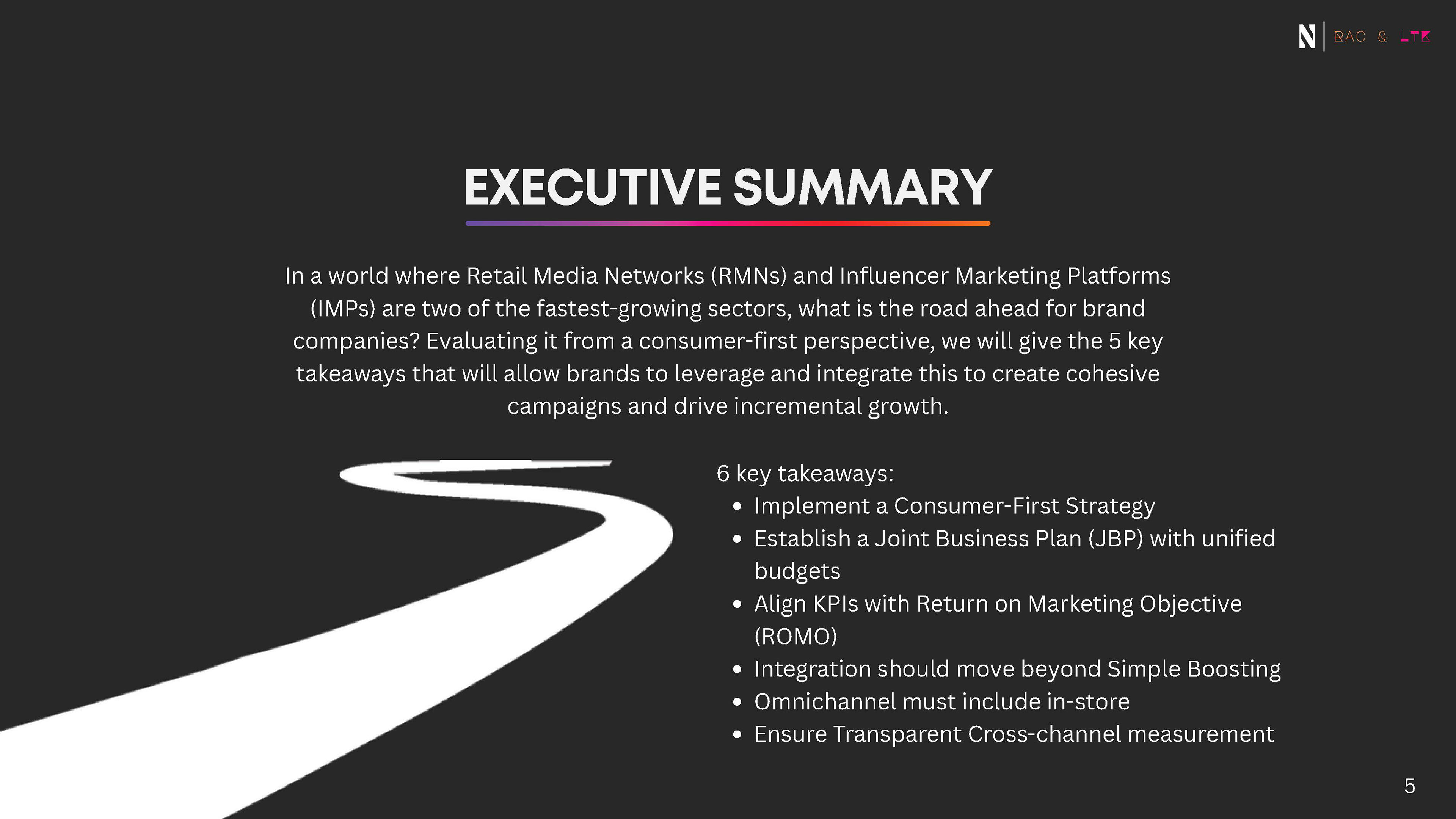
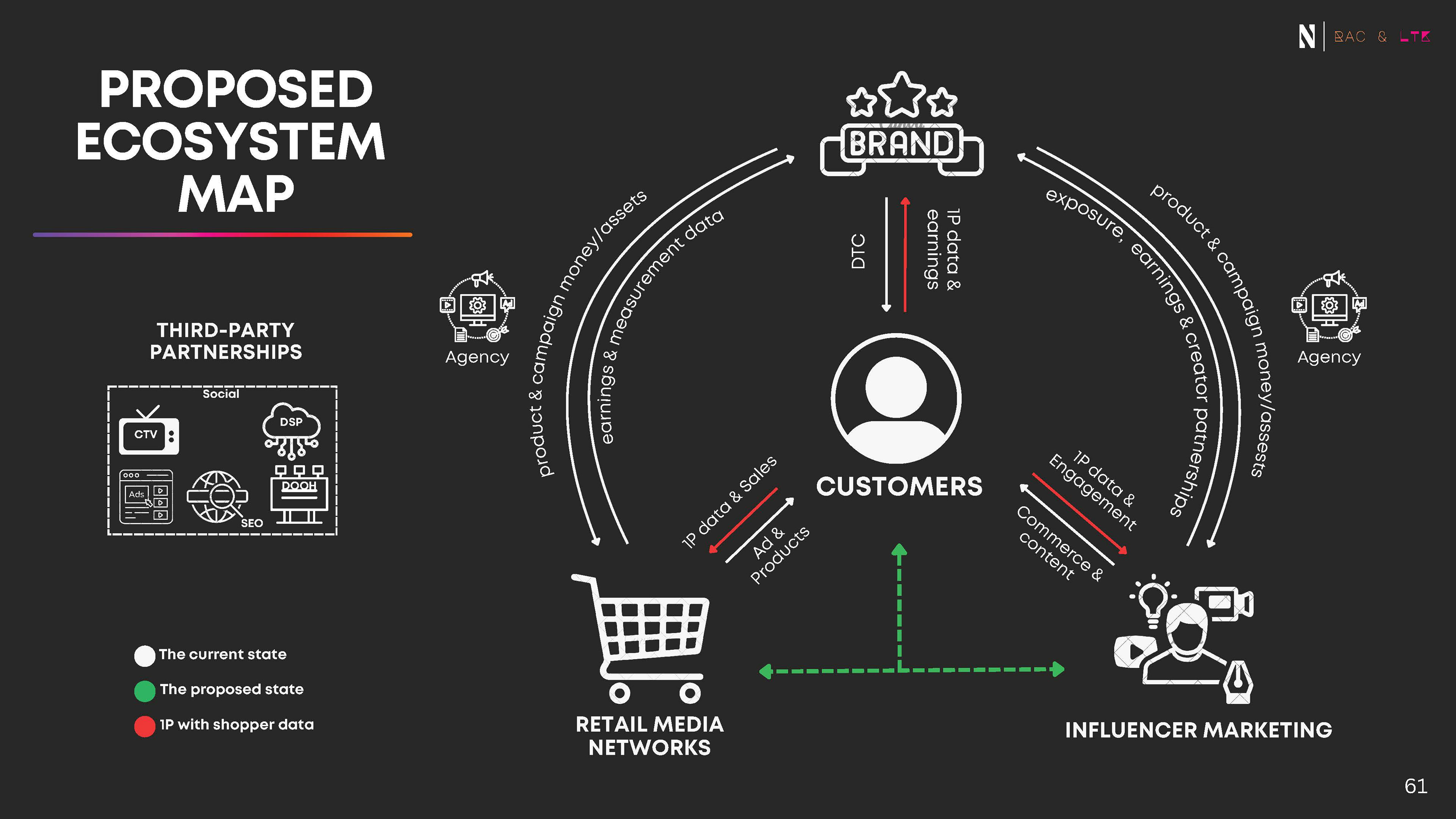
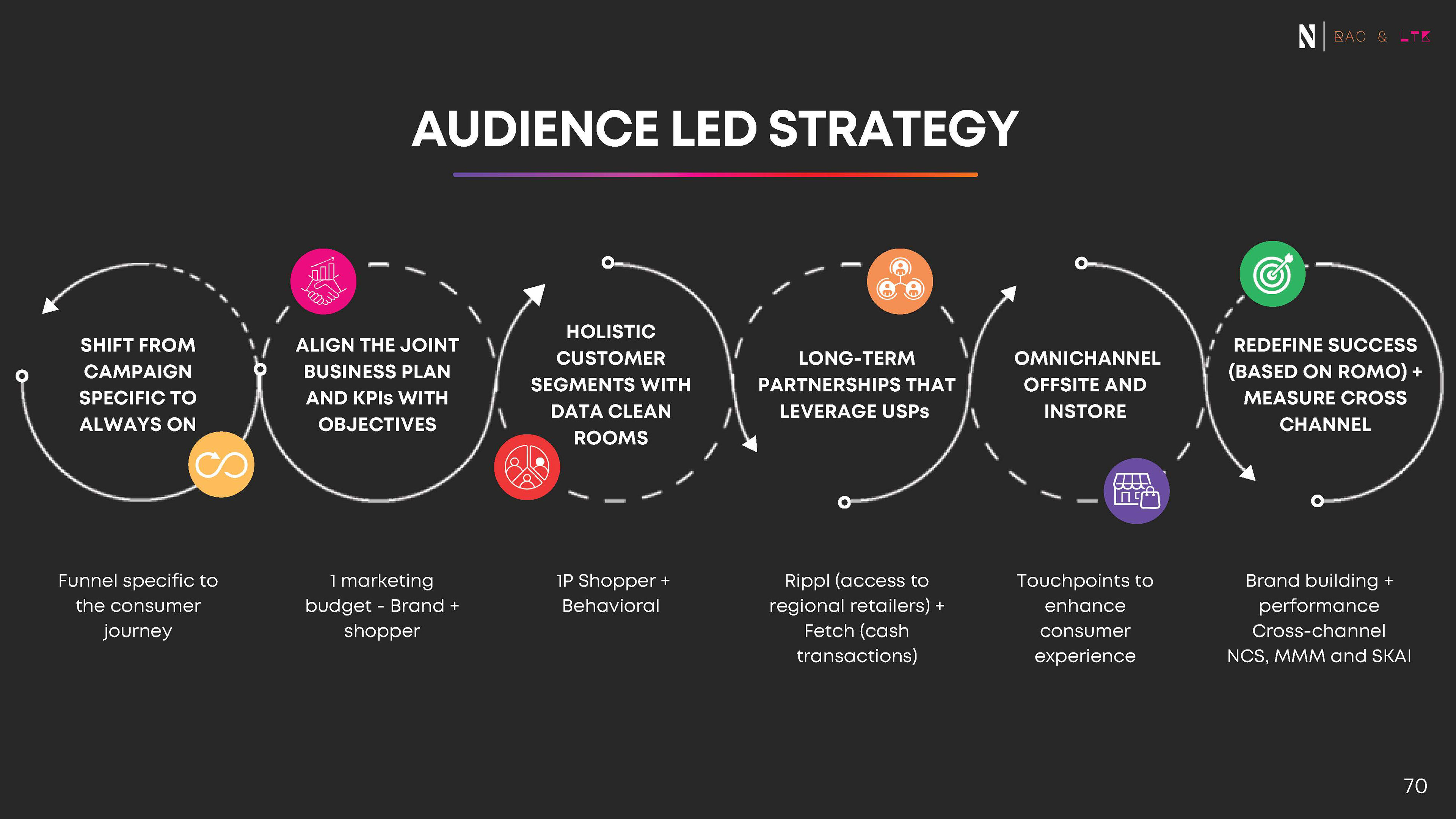
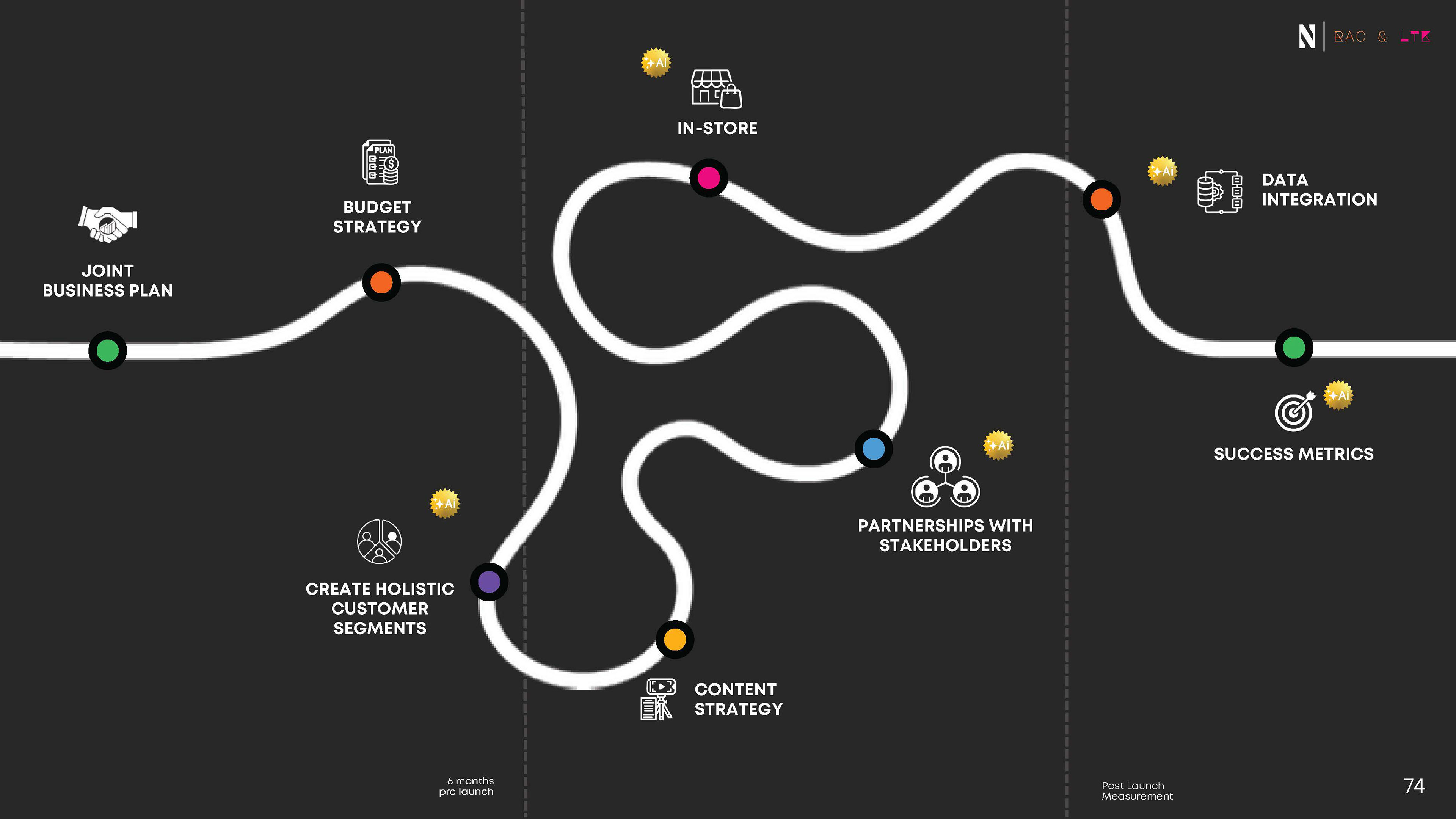
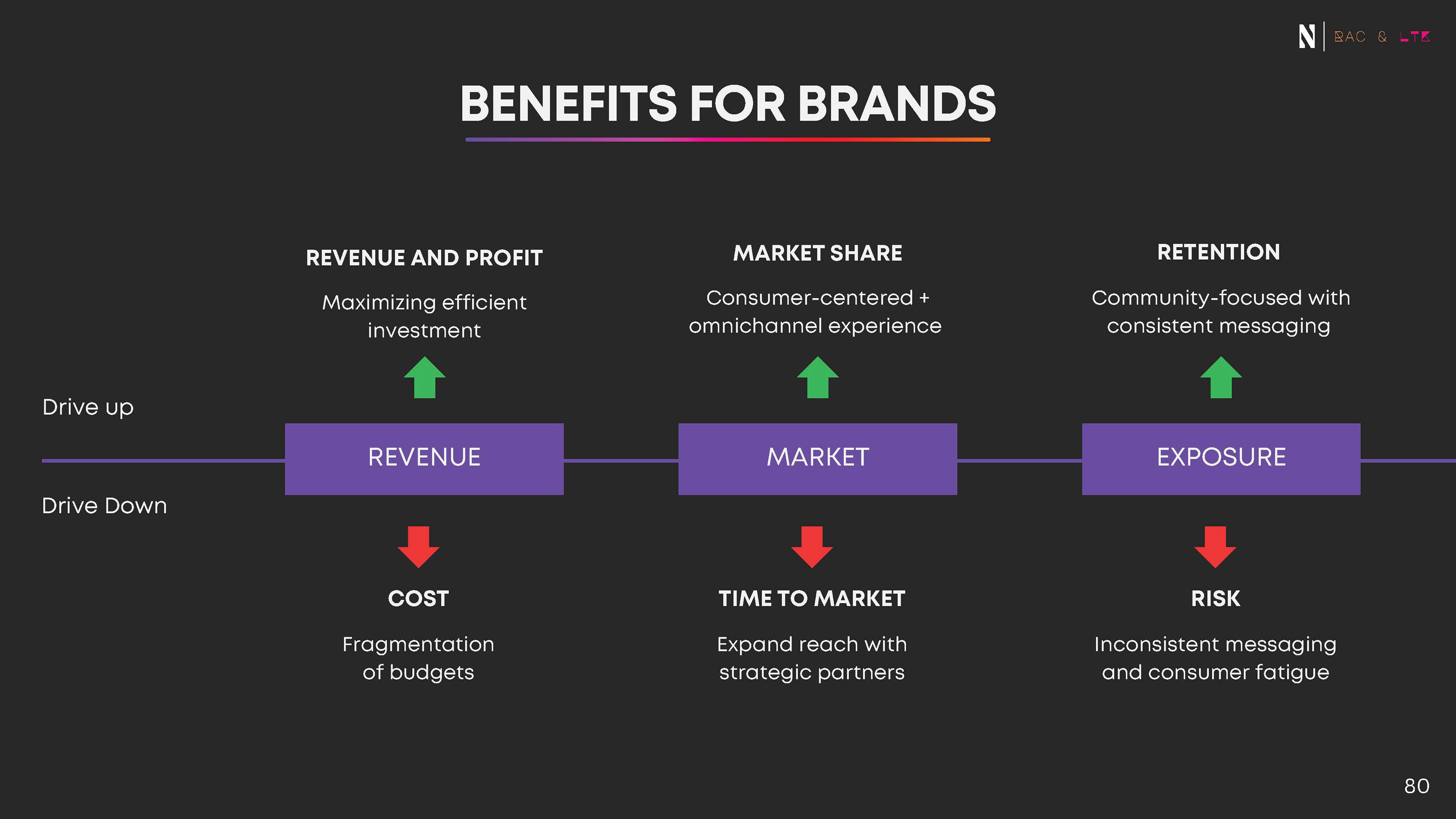
Framework: Developed a 6-step integration strategy anchored on Joint Business Plans (JBPs) between brands and retail partners, unified budget structures that eliminate the brand vs. shopper marketing divide, and Data Clean Rooms to enable secure, privacy-safe data overlays across creator and retail audiences. Thereby moving brands and RMNs to genuine path-to-purchase integration
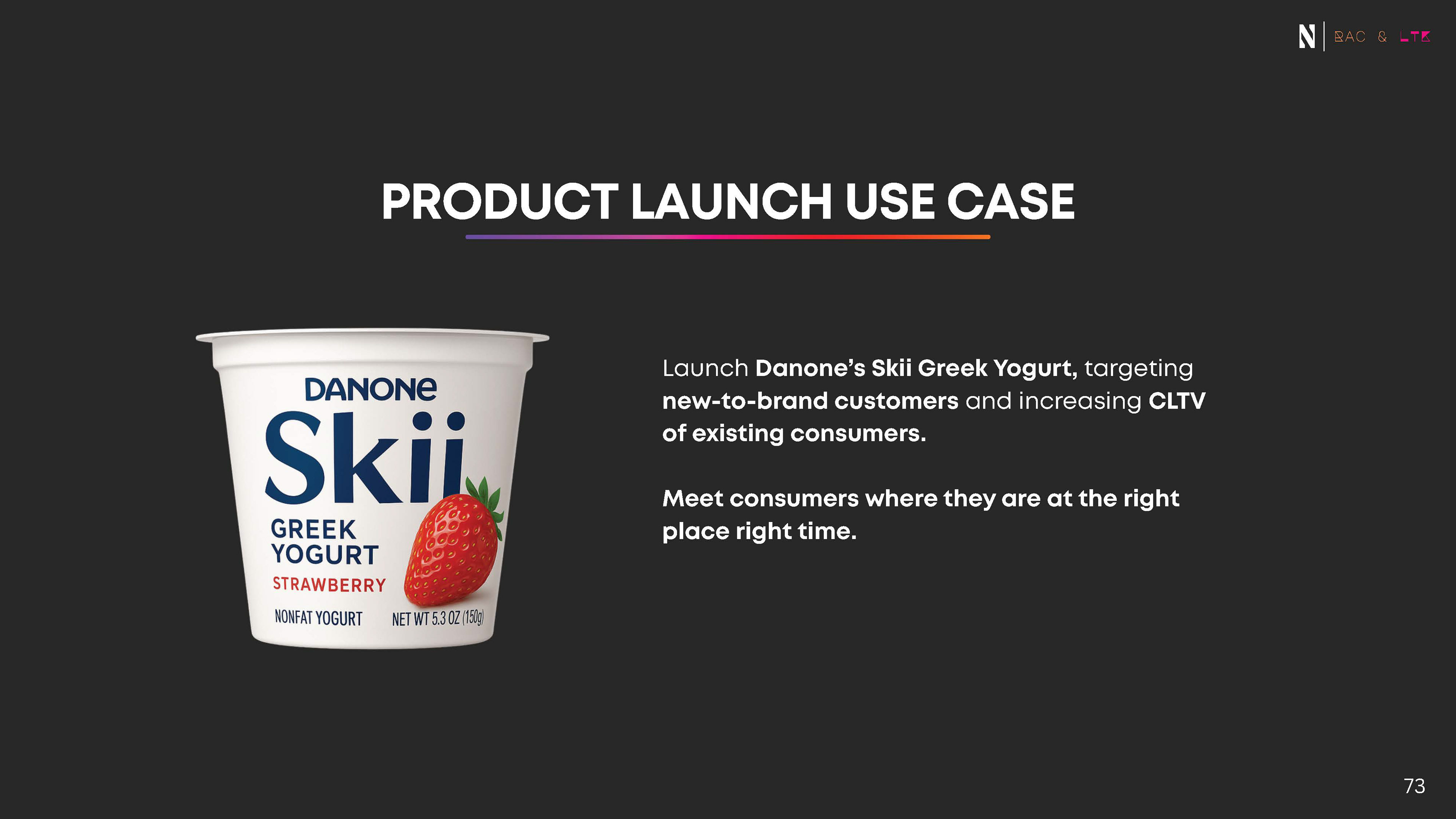
GTM Strategy: Authored three scenario-specific Go-To-Market playbooks applying the framework across verticals: CPG (Danone), Travel (The Robey), and Beauty (Rhode), demonstrating that the integration model holds across fundamentally different purchase cycles and audience contexts.
RESULT
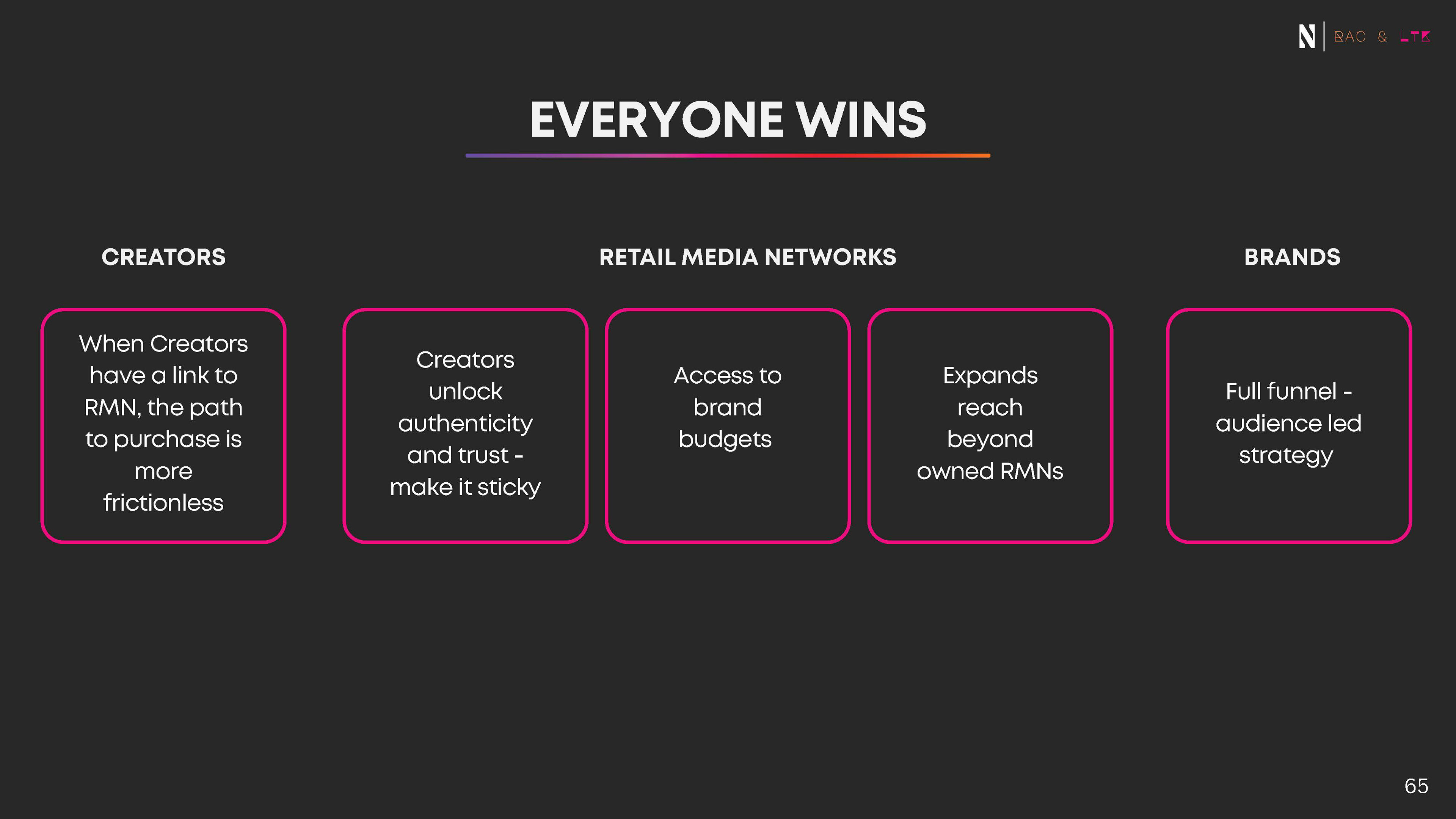
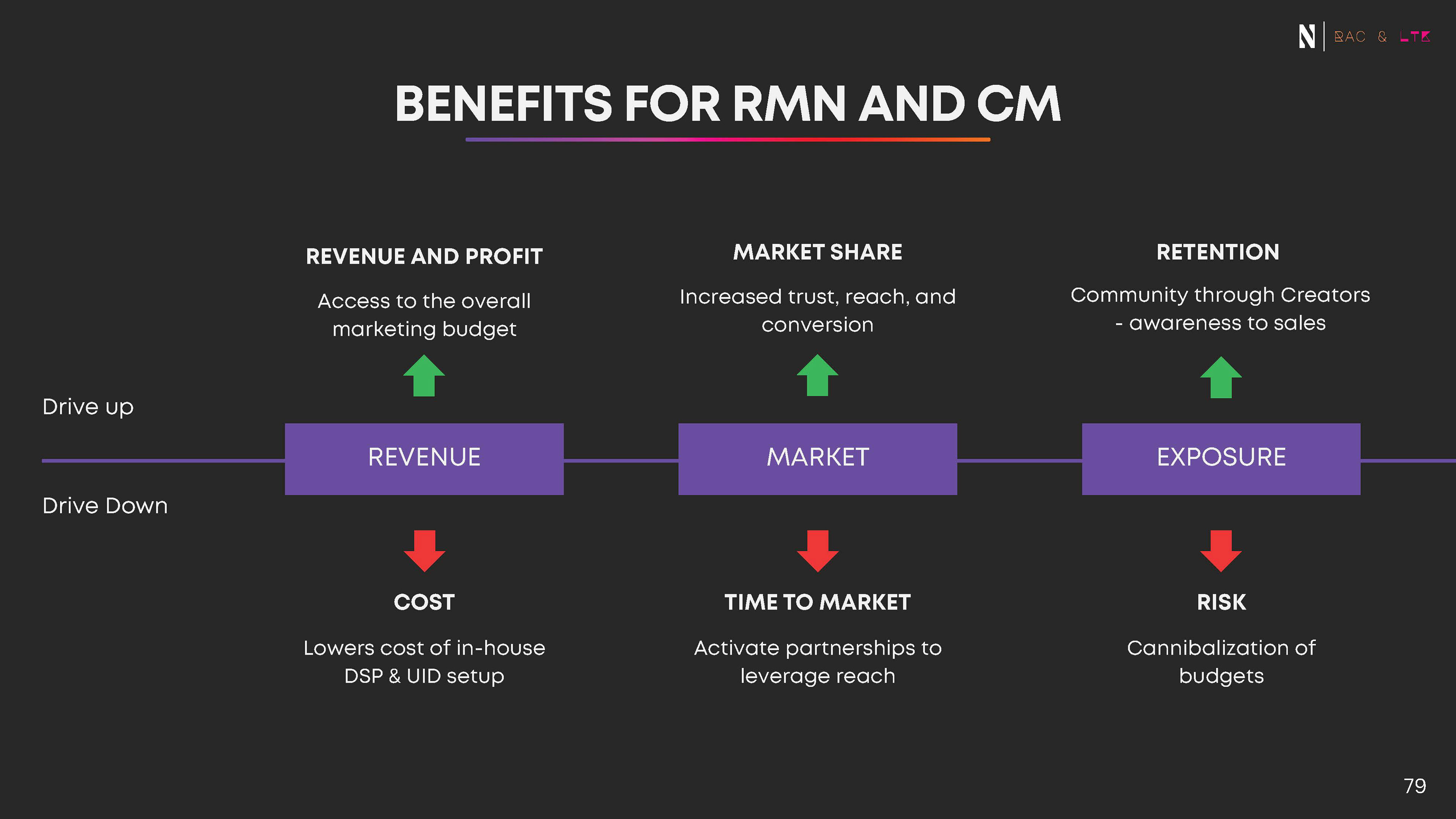
The research was published by the Northwestern Spiegel Research Center and adopted as part of a co-branded industry report with Google and Dentsu. It was presented at ANA and NRF. The output is a six-recommendation blueprint for consumer-centric marketing and cross-channel measurement that practitioners can apply directly to their organization's planning process.
REFLECTION
Integration over silos: organizational fragmentation is the single biggest barrier to RMN x creator ROI. Unified budgets and shared KPIs are not a nice-to-have; they have to be established at the start of any joint planning cycle, not retrofitted after the campaign.
On AI: Automation genuinely improves media buying efficiency and audience targeting, but human creator authenticity remains the primary driver of conversion in creator commerce. The brands winning in this space are designing for both to coexist.
The research was published by the Northwestern Spiegel Research Center and adopted as part of a co-branded industry report with Google and Dentsu. It was presented at ANA and NRF. The output is a six-recommendation blueprint for consumer-centric marketing and cross-channel measurement that practitioners can apply directly to their organization's planning process.
REFLECTION
Integration over silos: organizational fragmentation is the single biggest barrier to RMN x creator ROI. Unified budgets and shared KPIs are not a nice-to-have; they have to be established at the start of any joint planning cycle, not retrofitted after the campaign.
On AI: Automation genuinely improves media buying efficiency and audience targeting, but human creator authenticity remains the primary driver of conversion in creator commerce. The brands winning in this space are designing for both to coexist.